The answer might be in how you run. RESPORT’s running gait analysis — available at our Old Town, Chicago location — gives you an objective, detailed picture of your running form so you can train smarter, move better, and stay injury-free.
Whether you’re a first-time 5K runner or training for your next marathon, a gait assessment can identify the movement patterns causing pain, inefficiency, or overuse injuries — before they sideline you.
Gait refers to the specific way you move when you walk or run. It’s a complex interaction between your nervous system, muscles, bones, joints, and brain — all working together to propel you forward with balance and efficiency.
A proper running gait minimizes energy expenditure, reduces stress on your joints, and maximizes power output. When your gait is off — even slightly — it places repetitive strain on muscles, tendons, and joints that aren’t designed to absorb that load. Over time, that’s what leads to injuries like shin splints, IT band syndrome, plantar fasciitis, knee pain, and hip issues.
Research consistently shows that upwards of 50% of runners get injured every year. Most of those injuries are preventable with the right form corrections.
You’re a good candidate if:
Running is a skill — like any other sport, there are good and less-effective techniques. Even athletes who have been running for years can benefit from an objective assessment of their movement patterns.
Distance runners in Chicago use running gait analysis at RESPORT to identify small inefficiencies before they turn into running injuries. We look at how you move over distance with cadence, loading patterns, and breakdown in form when fatigue builds and show you where extra stress is being placed on your body. The goal is simple: keep you running consistently, avoid overuse issues, and get you back to the version of running where nothing feels like it’s starting to break down.
Triathletes in Chicago use running gait analysis at RESPORT to optimize the run leg without burning out what’s left in the tank. We analyze how your mechanics shift coming off the bike — cadence drift, hip drop, and forward lean collapse — so your run form holds up when it matters most.
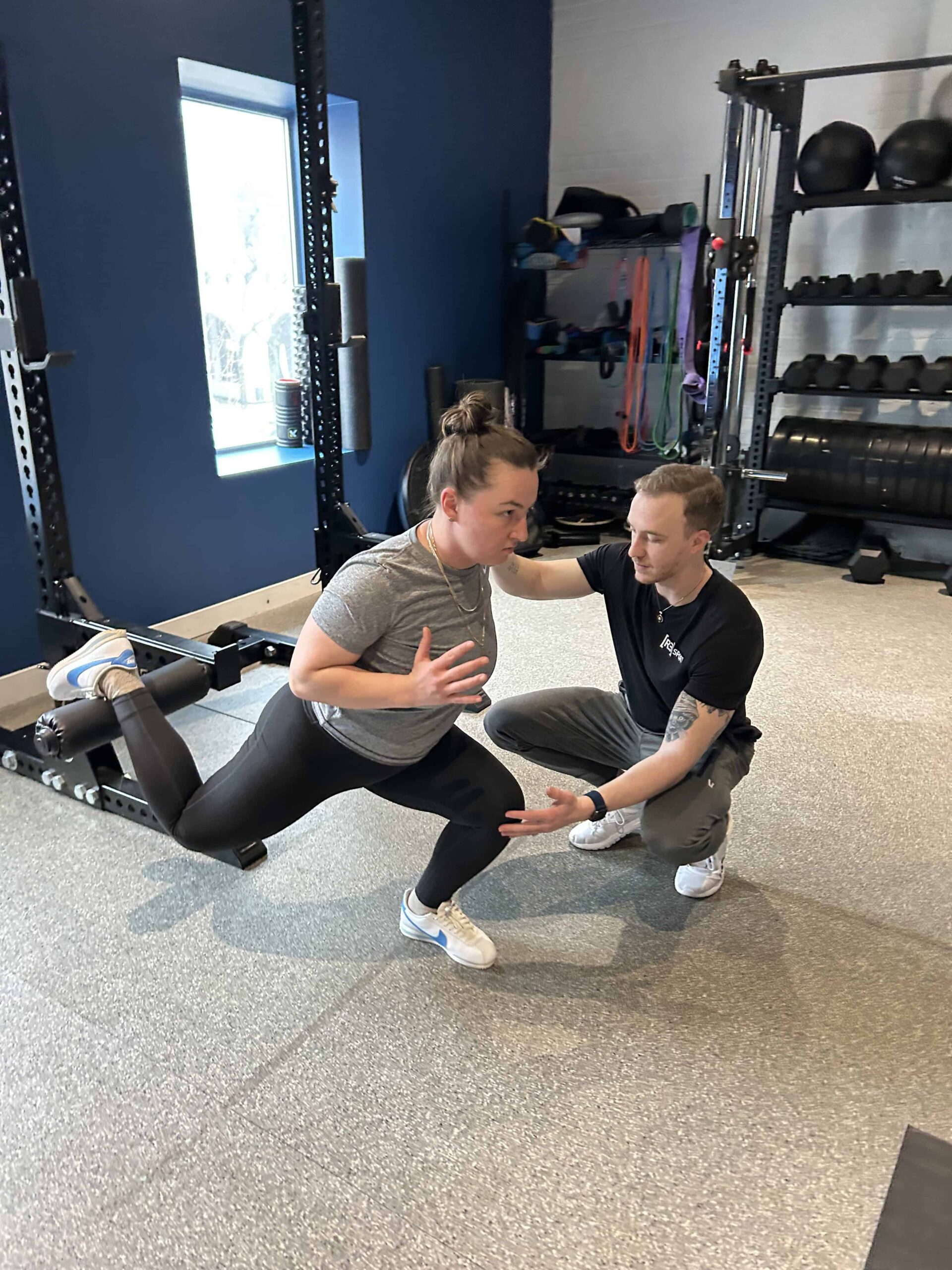
Runners recovering from injuries use gait analysis at RESPORT to find out why the injury happened and make sure it doesn’t come back. We look at compensations, asymmetries, and load patterns that put repeated stress on the same structures, so your return to running is built on a real foundation.
Competitive athletes use running gait analysis at RESPORT to find the mechanical edges that separate good from fast. We break down your stride mechanics, ground contact, and power transfer to show you exactly where energy is being lost and what to fix to run faster without working harder.
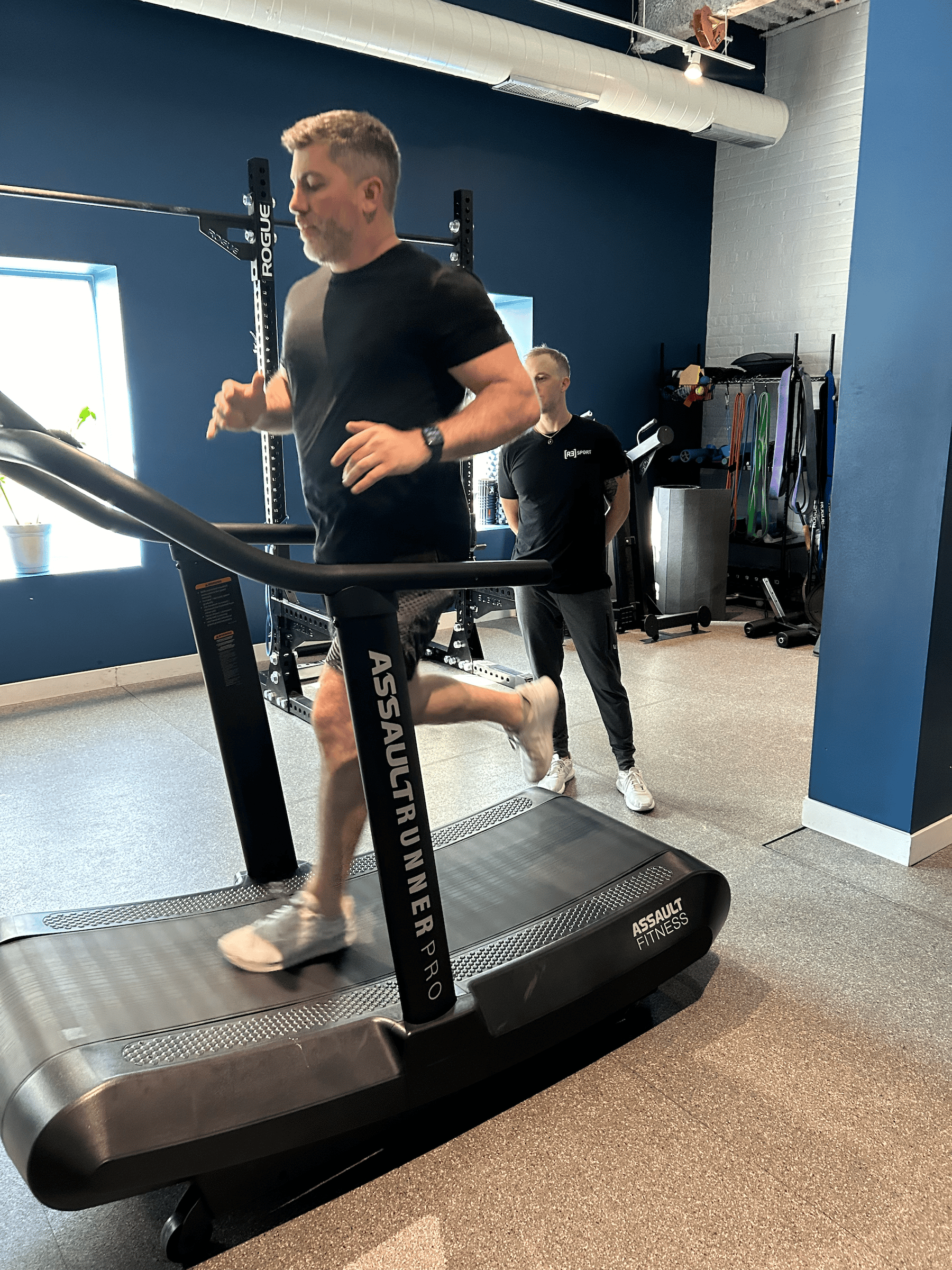
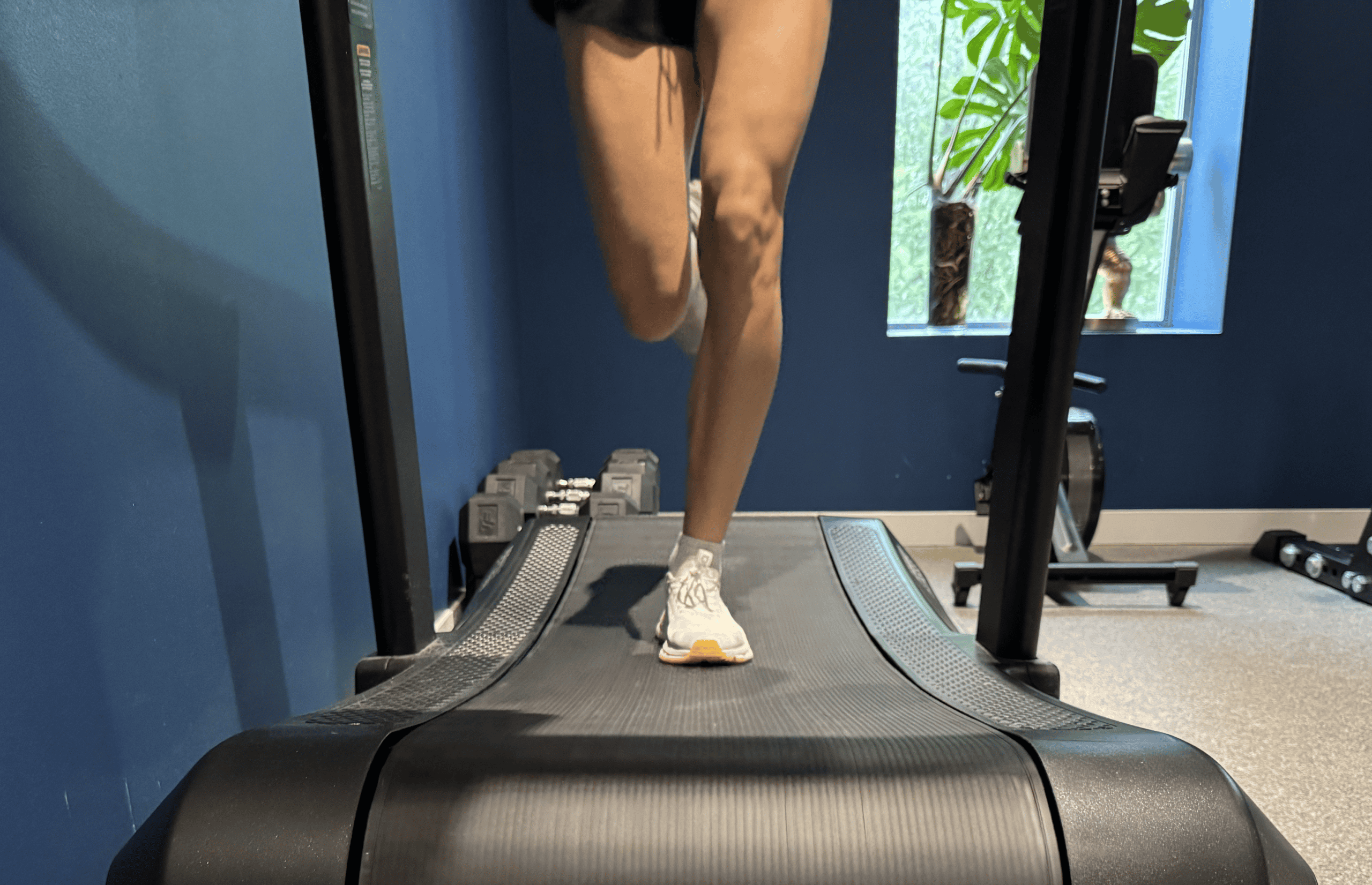
The assessment goes beyond a visual check — we use slow-motion video analysis to capture the details of your stride that are impossible to see in real time.
We evaluate key biomechanical factors including:
Each of these factors contributes to your running efficiency and injury risk. Our clinicians identify which patterns are working for you and which ones are increasing your load on vulnerable structures.
Here’s how it works:
The $150 cost includes the full analysis, your video breakdown, and a customized plan with exercises and drills targeting the specific muscle groups and movement patterns that need attention.
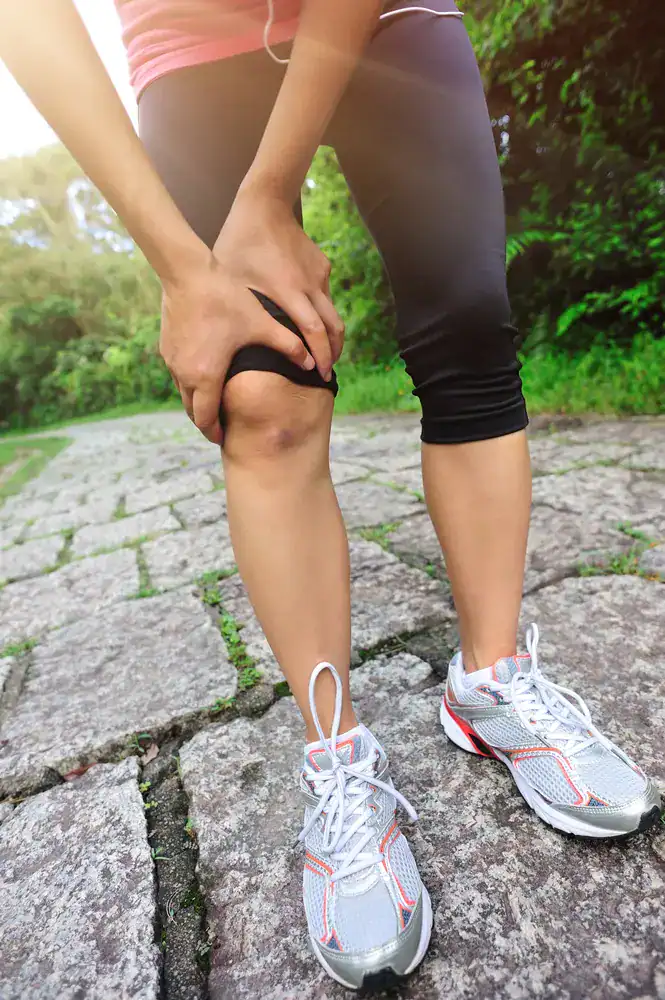
A patient came to RESPORT with recurring knee pain on long runs — a problem they’d been managing for months with rest and foam rolling. During their running form analysis, we identified significant overstriding (landing too far in front of their center of mass) and excessive inward knee collapse on each foot strike.
With targeted hip strengthening exercises, a cadence adjustment, and specific running drills, the patient reduced their pain within four weeks and completed their next half marathon without issue.
Small changes in running form can produce significant changes in performance and pain — that’s the goal of every assessment at RESPORT.
Small changes in stride mechanics reduce wasted movement so running feels smoother and more controlled over distance.
We identify movement patterns that repeatedly stress the same tissues so you can address them before overuse injuries develop.
When load is distributed more evenly, your body holds up better during longer runs and higher training volume.
We track how your mechanics change with fatigue so form stays consistent and your body doesn’t compensate when it matters most.
RESPORT is located in Old Town at 1221 N La Salle Dr., with easy access from Lincoln Park, River North, Wicker Park, and the surrounding neighborhoods.
Our clinicians include physical therapists and sports medicine specialists who work with runners and athletes of all levels — from first-time racers to triathletes and competitive track athletes. Running form analysis is one of several sports performance services we offer alongside sports injury rehab, dry needling, and shockwave therapy for running-related conditions like Achilles tendonitis and plantar fasciitis.
Yes. Our running gait analysis is beneficial for runners of all levels — from beginners building their base to experienced athletes dealing with chronic injuries or performance plateaus. Running is a skill, and nearly everyone has at least one area where a small form adjustment can reduce injury risk or improve efficiency.
Everyone can benefit from a Running Performance Analysis for preventing injuries, optimizing performance, and making your runs more comfortable.
The running assessment takes 30 minutes from start to finish, including the treadmill run, slow-motion video review, and personalized recommendations.
Wear your regular running shoes and the athletic clothing you normally run in. Bring any shoes you’ve been considering if you’re also looking for footwear advice. No special preparation is required.
A running gait analysis is not covered by insurance.
The Running Performance Analysis is $150. That cost includes the analysis, a video breakdown of your current running technique, and personalized suggestions to increase strength and improve performance.
Retail shoe store analyses typically involve a brief visual observation or a short treadmill walk to assess general pronation for shoe fitting. RESPORT’s running form analysis is a clinical-level assessment that uses slow-motion video from multiple angles to evaluate your full biomechanical profile — stride, cadence, foot strike, joint angles, and movement patterns. It’s focused on injury prevention, performance improvement, and building a corrective plan, not shoe selection.

It’s not too late. Even small adjustments to running form can reduce discomfort and improve efficiency on race day. If you’re experiencing pain while running, the sooner you get assessed, the more time you have to implement changes. Book an appointment and we’ll work within your timeline.
Absolutely. If you’re unable to run due to an injury, we can assess your movement and identify contributing factors so you have a clear corrective plan ready when you return to training. Book an appointment and our team will determine the best path forward.
Everyone responds differently depending on the nature of the changes needed and where they are in their running journey. Some form adjustments take just a few weeks to become habitual; others — particularly those requiring strength development — take longer as your body adapts. We’ll give you a realistic timeline at your assessment.