

If you’ve been dealing with a nagging ache on the outer side of your hip — the kind that flares up when you climb stairs, lie on that side at night, or get up after sitting for too long — you may be one of the millions of people living with gluteal tendinopathy. It’s one of the most common and most misunderstood causes of chronic hip pain, and it’s notoriously slow to heal with rest alone.
The good news: shockwave therapy has emerged as one of the most effective non-surgical treatments available for this condition, backed by a growing body of clinical research. At RESPORT Chicago, we use extracorporeal shockwave therapy (ESWT) to treat gluteal tendinopathy patients throughout Old Town and the North Side, helping them get back to pain-free movement without surgery, injections, or long-term reliance on medication.
This guide breaks down what gluteal tendinopathy is, why it’s so persistent, how shockwave therapy works to resolve it, and what you can expect from treatment at RESPORT.
What Is Gluteal Tendinopathy?
Gluteal tendinopathy refers to degeneration and irritation of the tendons that attach the gluteus medius and gluteus minimus muscles to the outer hip bone (the greater trochanter). These tendons stabilize the pelvis every time you take a step, climb a stair, or stand on one leg — which means they’re under near-constant load throughout the day.
Over time, repetitive stress, poor hip mechanics, muscle weakness, or a sudden increase in activity can cause microscopic damage to the tendon fibers. Instead of healing normally, the tendon tissue becomes disorganized and thickened — a process called tendinosis rather than true inflammation. This distinction matters because it helps explain why traditional anti-inflammatory approaches (ice, NSAIDs, rest) often fall short for this condition.
Gluteal tendinopathy is frequently mistaken for — or diagnosed alongside — greater trochanteric pain syndrome (GTPS), hip bursitis, or IT band syndrome, since the pain is often felt in the same area. Getting an accurate diagnosis matters, because the right treatment approach depends on identifying the actual source of the pain.
Who Gets Gluteal Tendinopathy?
Gluteal tendinopathy is especially common among:
- Women over 40, particularly post-menopausal women (hormonal changes affect tendon health)
- Runners and endurance athletes
- People who spend long hours standing or walking on hard surfaces
- Patients recovering from hip or knee surgery who have altered their gait
- Desk workers with prolonged sitting followed by sudden bursts of activity
- Anyone with weak hip abductor muscles or poor pelvic control
Common Symptoms of Gluteal Tendinopathy
Patients typically describe a deep, aching pain on the outer hip, just over the bony point where the hip meets the thigh. Common signs include:
- Pain when lying on the affected side at night
- Discomfort that worsens when climbing stairs or hills
- Aching after standing for long periods
- Pain when rising from a seated position
- Tenderness directly over the outer hip bone
- A dull ache that can radiate down the outer thigh
Symptoms often start gradually and worsen over weeks or months, which leads many patients to push through the pain rather than seek treatment — allowing the underlying tendon damage to progress.
Why Gluteal Tendinopathy Is So Difficult to Treat
Tendons have relatively poor blood supply compared to muscle tissue, which means they heal slowly on their own. Combine that with the constant mechanical load placed on the gluteal tendons during everyday walking, and it’s easy to see why rest alone rarely resolves the problem — the tendon doesn’t get the opportunity to repair before it’s loaded again fully.
Cortisone injections, a common first-line treatment, may offer short-term relief but have been shown in research to weaken tendon tissue over time and are associated with higher recurrence rates. Surgery is typically reserved for severe cases that don’t respond to conservative care, and even then carries a lengthy recovery period. This treatment gap is exactly where shockwave therapy has become a preferred option for both patients and providers.
How Shockwave Therapy Treats Gluteal Tendinopathy
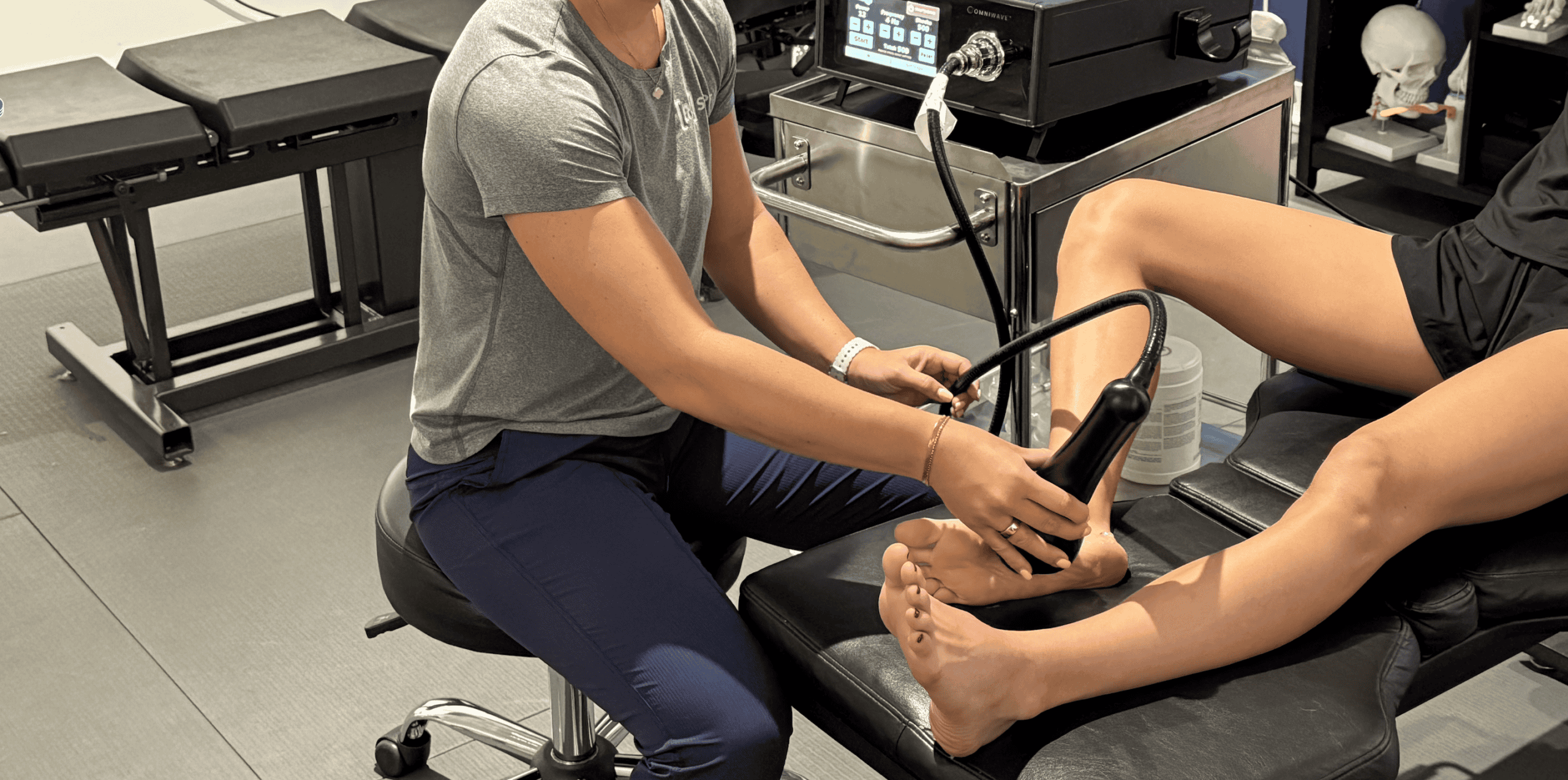
Shockwave therapy — also known as Extracorporeal Shock Wave Therapy (ESWT) — uses acoustic pressure waves delivered through a handheld applicator directly to the affected tendon. These pressure waves stimulate a controlled healing response in the tissue without requiring an incision, injection, or anesthesia.
Here’s what shockwave therapy does at the tissue level:
1. Stimulates blood flow to the tendon.
The pressure waves trigger the formation of new blood vessels (neovascularization) in and around the degenerated tendon tissue, improving the delivery of oxygen and nutrients needed for repair.
2. Triggers a healing cascade.
Shockwave therapy essentially resets the body’s healing response, prompting the release of growth factors and stimulating collagen production — helping disorganized tendon fibers rebuild in a more structured way.
3. Reduces pain signaling.
The treatment has a documented effect on desensitizing local pain receptors, which is why many patients notice reduced pain within the first few sessions.
4. Breaks down calcific deposits.
When calcium buildup has developed within the tendon, the mechanical pressure waves can help break down these deposits over the course of treatment.
Unlike surgery, shockwave therapy doesn’t require downtime. Most patients walk in and out of each session and can resume normal daily activities immediately afterward, with modified activity recommendations during treatment.
What the Research Says
Clinical studies on shockwave therapy for greater trochanteric pain syndrome and gluteal tendinopathy have consistently shown meaningful improvements in both pain and function, with success rates that compare favorably to corticosteroid injection at longer-term follow-up. Several studies have found that patients treated with shockwave therapy maintained improvement at 12-month follow-up, while patients treated with cortisone injections were more likely to see their symptoms return. This durability is one of the main reasons shockwave therapy has become a first-line recommendation for chronic gluteal tendinopathy that hasn’t responded to basic conservative care.
What to Expect During Shockwave Therapy at RESPORT
If you’re considering shockwave therapy for gluteal tendinopathy at our Old Town clinic, here’s what the process typically looks like:
1. Initial Evaluation
Your treatment begins with a thorough assessment, including a review of your symptoms, activity history, and a physical exam to confirm that gluteal tendinopathy — rather than bursitis, IT band syndrome, or a lumbar spine issue — is the source of your pain. In some cases, we may recommend imaging to rule out other causes.
2. Treatment Sessions
We apply shockwave therapy directly over the outer hip using a handheld device. Most patients describe the sensation as a firm, rhythmic pressure or mild discomfort rather than sharp pain. Sessions typically last 10–15 minutes.
3. Treatment Course
Most gluteal tendinopathy patients require 4 to 6 sessions, spaced about a week apart, to see lasting results. Some patients notice improvement after the first two or three sessions, though full tendon remodeling takes time — which is why completing the full recommended course matters even if symptoms start to improve early.
4. Complementary Care
Shockwave therapy works best as part of a broader treatment plan. At RESPORT, we typically pair shockwave sessions with:
- Hip strengthening exercises, particularly targeting the gluteus medius and hip abductors, to reduce load on the healing tendon
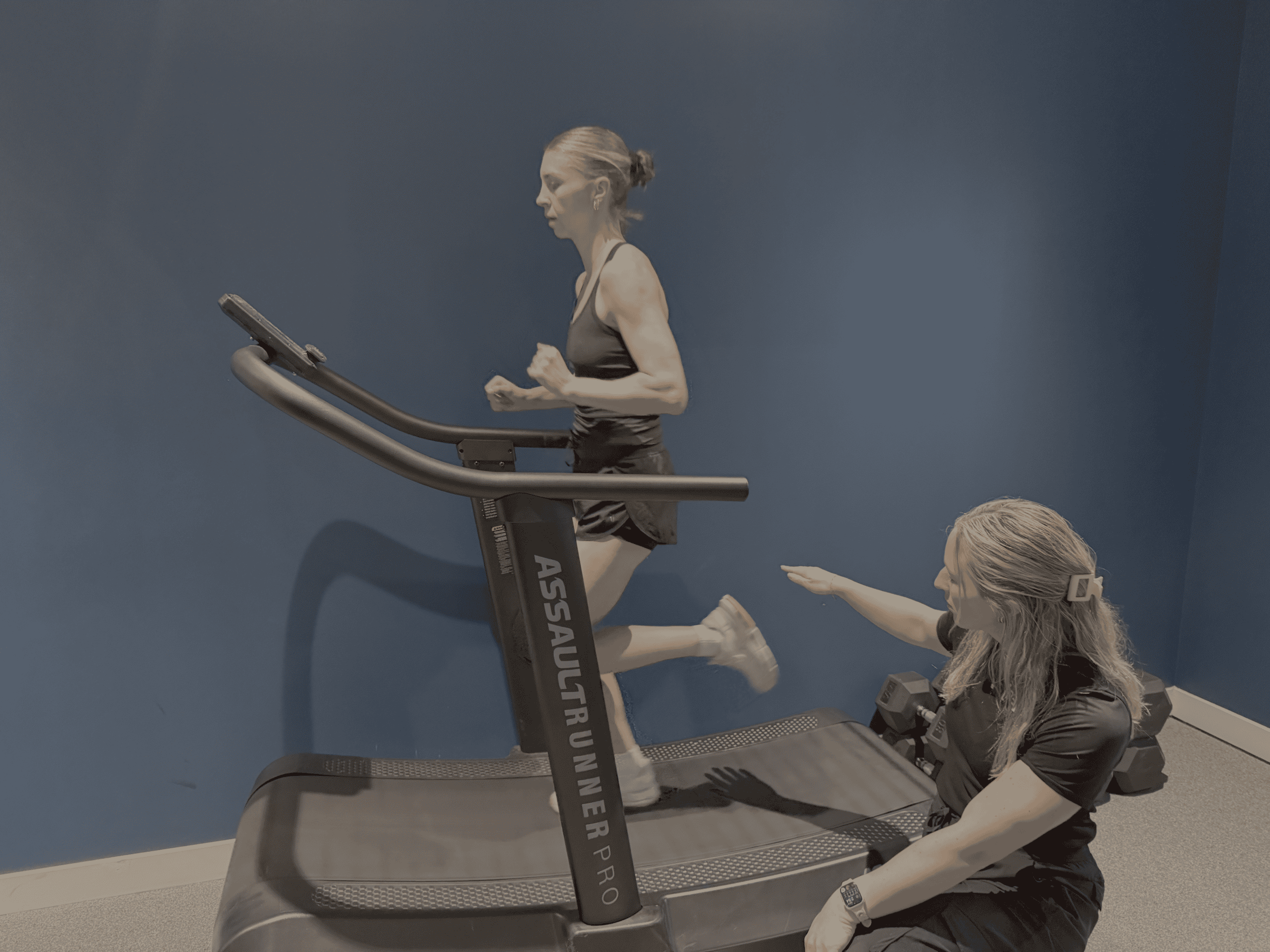
- Gait and movement assessment to identify and correct mechanical patterns contributing to the problem
- Chiropractic care to address any pelvic or lumbar spine alignment issues that may be adding stress to the hip
- Activity modification guidance to help you stay active without overloading the tendon during recovery
5. Recovery and Follow-Up
Because shockwave therapy is non-invasive, there’s no formal recovery period. Some patients feel mild soreness in the treated area for a day or two after each session, similar to post-workout muscle soreness. You can typically resume walking, light activity, and daily routines immediately.
Is Shockwave Therapy Right for You?
Shockwave therapy tends to work best for patients who:
- Have had hip pain for more than 4–6 weeks that hasn’t responded to rest, stretching, or basic physical therapy
- Have been diagnosed with gluteal tendinopathy, greater trochanteric pain syndrome, or trochanteric bursitis
- Want to avoid cortisone injections or are looking for a longer-lasting alternative.
- Are trying to avoid or delay hip surgery
- Are active individuals — runners, athletes, or simply people who want to stay on their feet without pain
If you’re unsure whether shockwave therapy is the right fit, an evaluation is the best next step. At RESPORT, we’ll assess your specific presentation and let you know honestly whether shockwave therapy, another treatment approach, or a combination is most appropriate for your case.
Frequently Asked Questions
How many shockwave therapy sessions do I need for gluteal tendinopathy?
Most patients complete 4 to 6 sessions, spaced about a week apart. Your provider will tailor the exact number to the severity of your tendinopathy and your response to early treatment.
Does shockwave therapy hurt?
Most patients describe a firm pressure or mild discomfort during treatment rather than significant pain. Discomfort typically decreases as the tendon responds over the course of treatment.
How long until I feel relief from shockwave therapy?
Some patients notice improvement after 2–3 sessions, though full results typically develop over several weeks as the tendon tissue remodels. Consistency with the full recommended treatment course produces the best long-term outcomes.
Is shockwave therapy better than a cortisone injection for hip pain?
Research suggests that while cortisone injections can provide faster short-term relief, shockwave therapy tends to produce more durable results at 6- and 12-month follow-up, with a lower rate of symptom recurrence.
Can I keep exercising during shockwave therapy treatment?
Light activity is generally encouraged, but you may need to temporarily modify high-impact activities that aggravate the tendon (like running or stairs). Your provider will give you specific activity guidance based on your case.
Is shockwave therapy covered by insurance?
Shockwave therapy is typically offered as a per-session or package rate. Contact our team directly for current pricing — we are happy to walk you through the details.
Get Relief From Gluteal Tendinopathy at RESPORT Chicago
Chronic hip pain doesn’t have to be something you live with. If outer hip pain has limited your ability to walk, run, sleep comfortably, or stay active, shockwave therapy may help you avoid surgery and get back to the activities you enjoy.
RESPORT Chicago’s Old Town clinic offers shockwave therapy alongside chiropractic care, physical therapy, and gait analysis — giving North Side patients a complete, non-surgical path to resolving gluteal tendinopathy and related hip conditions.
Ready to find out if shockwave therapy is right for you? Book a hip pain assessment at RESPORT Chicago today.
Questions? Contact our team — we’re happy to help you determine whether ESWT is right for your condition.
This article was medically reviewed by the RESPORT Chicago clinical team.