

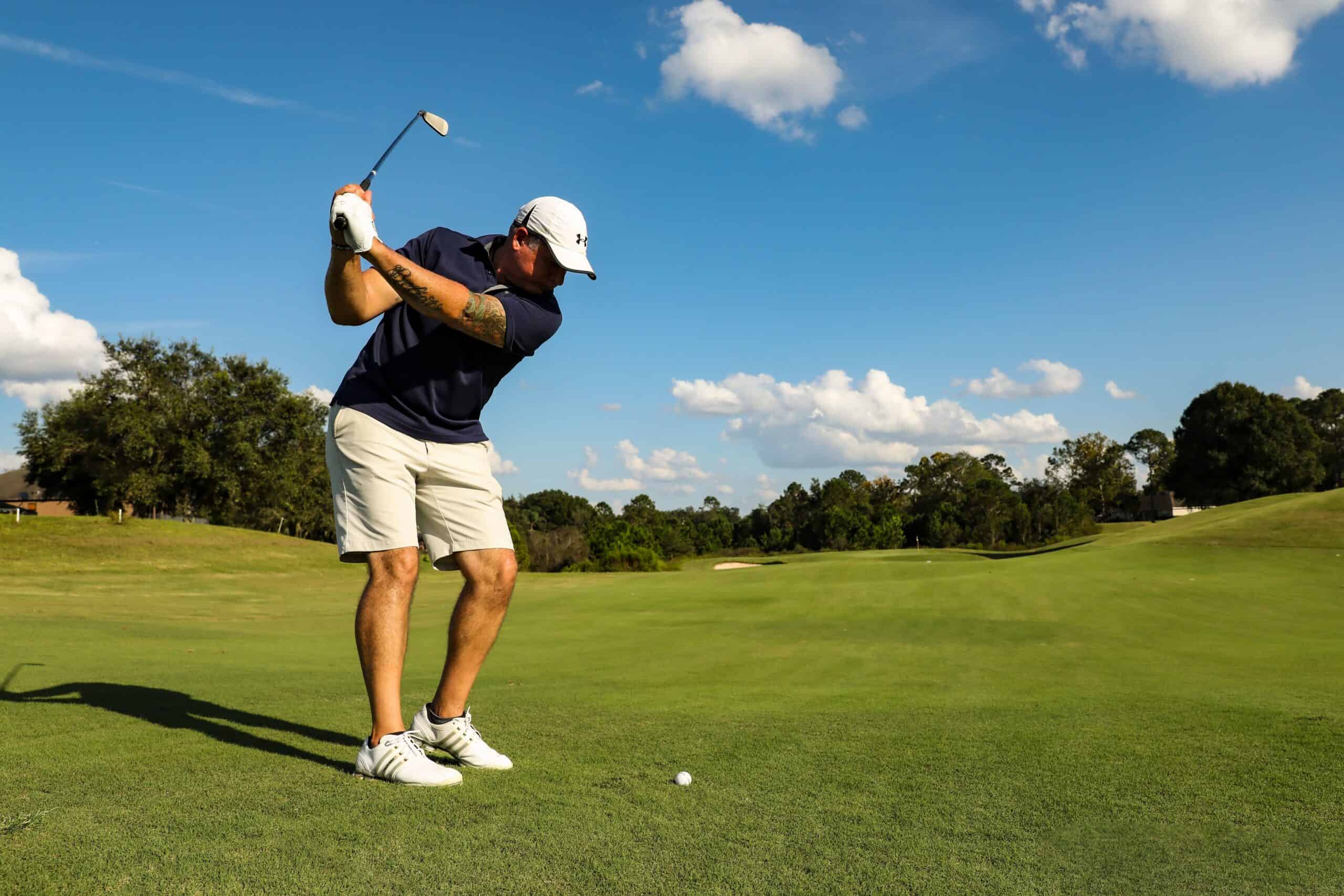
If you’ve got a persistent ache on the inner side of your elbow — the kind that flares up when you grip something, shake hands, or swing a golf club — you may be dealing with golfer’s elbow. Despite the name, you don’t need to play golf to develop this condition, and it’s often just as stubborn as its better-known cousin, tennis elbow, taking months to resolve with rest alone.
The good news: shockwave therapy has become one of the most effective non-surgical treatments for chronic golfer’s elbow, backed by a solid body of clinical research. At RESPORT Chicago, we use extracorporeal shockwave therapy (ESWT) to treat golfer’s elbow patients throughout Old Town and the North Side, helping them resolve chronic elbow pain and get back to work, sport, and daily activities without surgery or long-term reliance on injections.
This guide covers what golfer’s elbow actually is, why it’s so persistent, how shockwave therapy works to resolve it, and what to expect from treatment at RESPORT.
What Is Golfer's Elbow?
Golfer’s elbow — the clinical term is medial epicondylitis — is degeneration and irritation of the tendons that attach the forearm’s flexor and pronator muscles to the medial epicondyle, the bony bump on the inner side of the elbow. These tendons are responsible for flexing the wrist and rotating the forearm, movements involved in everything from gripping a golf club to typing, lifting, and shaking hands.
Like most chronic tendon conditions, golfer’s elbow isn’t primarily an inflammatory problem despite the “-itis” in its clinical name. Repetitive gripping and wrist-flexion stress causes microscopic damage to the tendon fibers, and when the tendon doesn’t get the chance to fully repair before being loaded again, the tissue becomes thickened and disorganized rather than properly healed — a process called tendinosis. This is why golfer’s elbow often persists well beyond what a typical inflammatory injury would, and why rest and anti-inflammatory approaches alone frequently fall short.
Golfer’s elbow is often confused with — or occurs alongside — ulnar nerve irritation at the elbow (sometimes called “funny bone” symptoms, with tingling into the ring and pinky fingers), since both conditions involve the inner elbow. Getting an accurate diagnosis matters, since nerve-related symptoms require a different treatment approach than a straightforward tendon issue.
Who Gets Golfer's Elbow?
Golfer’s elbow is especially common among:
- Golfers, particularly those with faulty swing mechanics or who play frequently without adequate conditioning
- Baseball and softball players, especially pitchers and throwers
- Weightlifters and athletes doing repetitive gripping exercises
- Manual laborers, tradespeople, and anyone doing repetitive gripping, hammering, or twisting motions
- Desk workers and typists, particularly those with poor wrist positioning
- Racquet sport players, though this population more commonly develops the lateral (tennis elbow) version
Common Symptoms of Golfer's Elbow
Patients typically describe an aching or sharp pain centered on the inner elbow, sometimes radiating down the forearm. Common signs include:
- Pain and tenderness on the inner side of the elbow, over the bony bump
- Pain that worsens with gripping, wrist flexion, or forearm rotation
- Stiffness in the elbow, especially first thing in the morning
- Weakness in grip strength
- Pain that radiates down the inner forearm toward the wrist
- In some cases, tingling or numbness in the ring and pinky fingers if the nearby ulnar nerve is also irritated
Symptoms typically develop gradually, worsening over weeks as the repetitive activity causing the strain continues, which leads many patients to modify their grip or technique rather than address the underlying tendon issue directly — allowing the condition to become more chronic.
Why Golfer's Elbow Is So Difficult to Treat
Tendons have a limited blood supply compared to muscle tissue, which slows their natural healing process considerably. The forearm flexor tendons involved in golfer’s elbow are used constantly throughout the day — gripping a coffee cup, typing, opening a jar — which means the tendon rarely gets genuine rest even when patients are actively trying to avoid aggravating activities like golf or lifting.
Cortisone injections, often reached for early given how uncomfortable golfer’s elbow can be, may provide short-term relief but don’t address the underlying degenerated tendon tissue and have been associated with weakened tendon structure and higher recurrence rates with repeated use. Surgery is generally reserved for severe, persistent cases that don’t respond to extended conservative treatment, and involves a lengthy recovery given how much daily activity depends on forearm and grip function. This is exactly the treatment gap where shockwave therapy has become a preferred non-surgical option.
How Shockwave Therapy Treats Golfer's Elbow
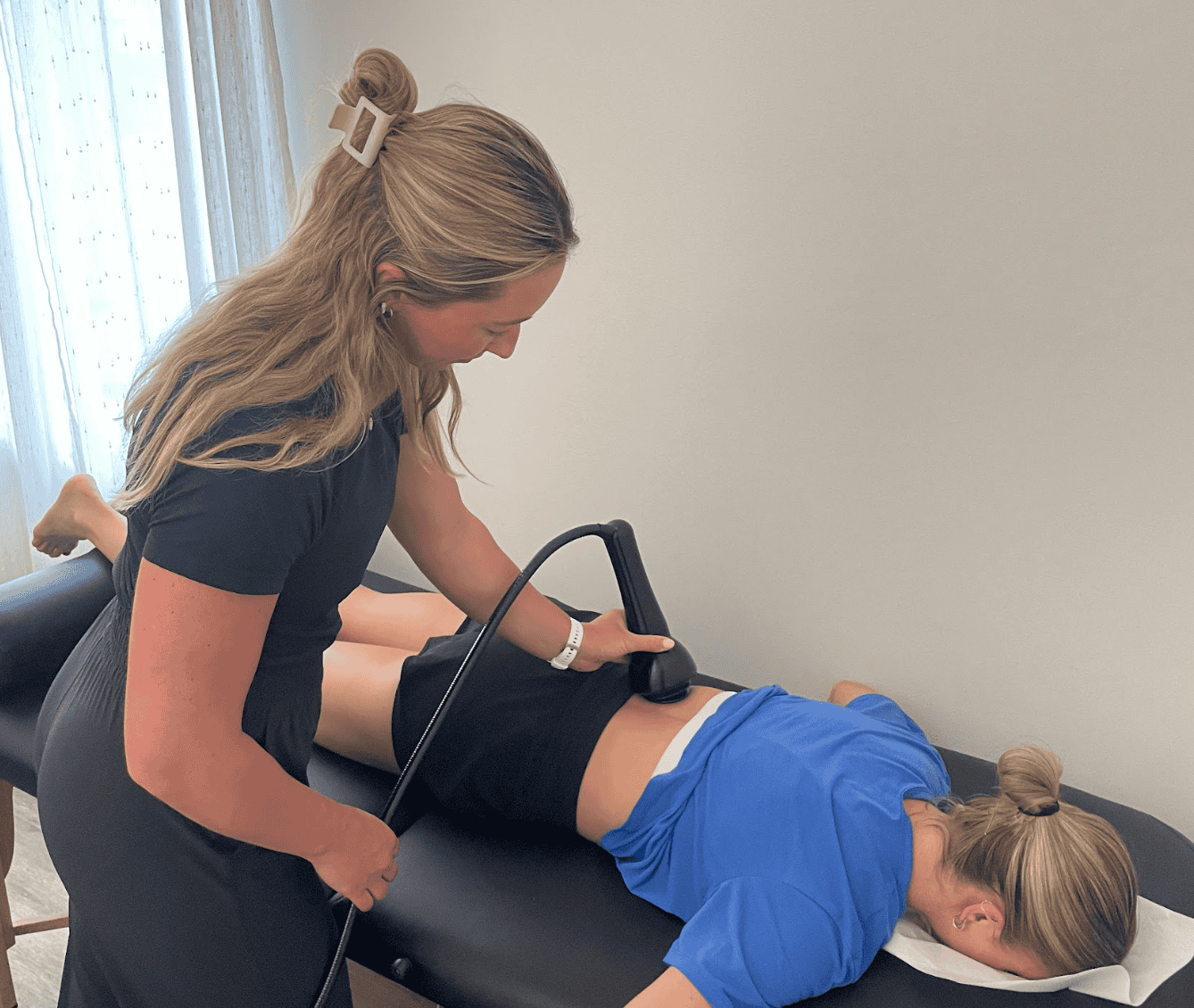
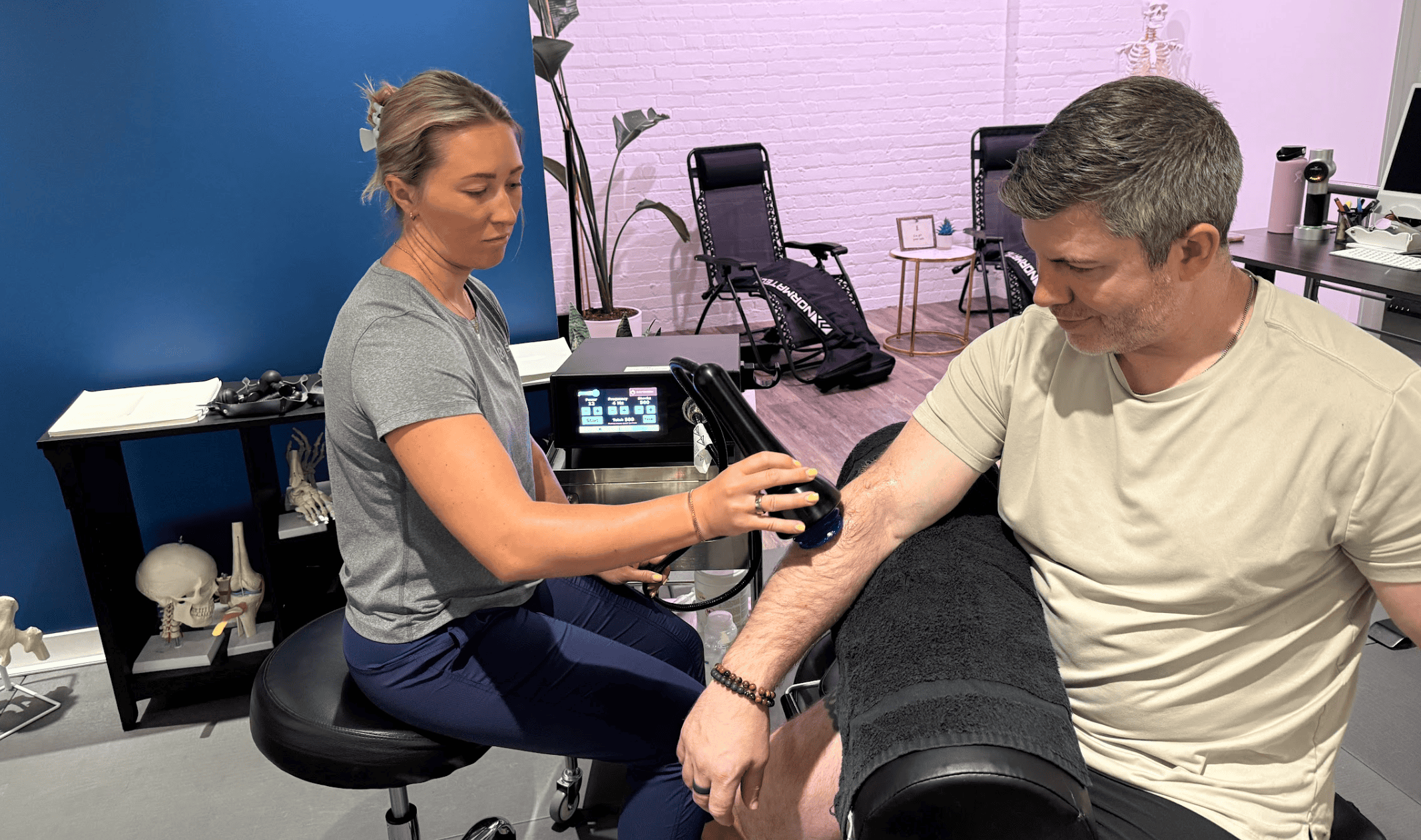
Shockwave therapy — also known as Extracorporeal Shock Wave Therapy (ESWT) — uses targeted acoustic pressure waves delivered through a handheld applicator directly to the affected tendon at the inner elbow. This stimulates a controlled healing response in the degenerated tissue without an incision, injection, or anesthesia.
Here’s what shockwave therapy does at the tissue level:
- Stimulates blood flow to the tendon. The pressure waves promote the formation of new blood vessels (neovascularization) in and around the degenerated tendon tissue, improving delivery of the oxygen and nutrients needed for genuine repair.
- Triggers a healing cascade. Shockwave therapy resets the body’s healing response at the site of chronic strain, prompting the release of growth factors and stimulating collagen production so the tendon fibers can rebuild in a healthier, more organized structure.
- Reduces pain signaling. The treatment has a well-documented desensitizing effect on local pain receptors, which is why many patients notice reduced pain within the first several sessions.
- Supports tissue remodeling in chronic cases. For patients who have had symptoms for months, shockwave therapy helps restart a healing process that has effectively stalled, giving the tendon the stimulus it needs to actually repair rather than remain in its degenerated state.
Because it’s non-invasive, shockwave therapy involves no downtime. Most patients return to work and daily activities immediately after each session, with specific activity modifications during the treatment course to protect the healing tendon.
What the Research Says
Clinical research on shockwave therapy for medial and lateral epicondylitis has generally shown meaningful pain reduction and improved grip strength, particularly in patients with chronic symptoms who haven’t responded to rest and basic conservative care. Several studies comparing shockwave therapy to cortisone injection for epicondylitis conditions have found that while cortisone often provides faster short-term relief, shockwave therapy tends to produce more durable results with lower recurrence rates at longer-term follow-up. Most of the direct research base focuses on lateral epicondylitis (tennis elbow), since it’s more common, but the underlying tendon pathology and treatment mechanism are similar enough that shockwave therapy is widely used and generally effective for medial epicondylitis as well.
What to Expect During Shockwave Therapy at RESPORT
If you’re considering shockwave therapy for golfer’s elbow at our Old Town clinic, here’s what the process typically looks like:
1. Initial Evaluation
Your treatment begins with a thorough assessment, including a review of your symptoms, activity and occupational history, and a physical exam to confirm that golfer’s elbow — rather than ulnar nerve irritation, a ligament injury, or referred neck pain — is the source of your symptoms. In some cases, imaging may be recommended to confirm the diagnosis or rule out other causes.
2. Treatment Sessions
Shockwave therapy is applied directly over the inner elbow using a handheld device. Most patients describe the sensation as a firm, rhythmic pressure or mild discomfort. Sessions typically last 10–15 minutes.
3. Treatment Course
Most golfer’s elbow patients require 4 to 6 sessions, spaced about a week apart, to see lasting results. Some patients notice improvement after the first two or three sessions, though full tendon remodeling takes time — which is why completing the full recommended course matters even if symptoms start to improve early.
4. Complementary Care
Shockwave therapy works best as part of a broader treatment plan. At RESPORT, we typically pair shockwave sessions with:
- Progressive forearm and wrist strengthening exercises, including eccentric loading protocols with strong research support for tendon recovery
- Grip and technique assessment, particularly for golfers and other athletes, to identify and correct mechanical patterns contributing to the problem
- Chiropractic and soft tissue care to address any elbow, wrist, or shoulder mechanics that may be adding compensatory strain
- Activity and equipment modification guidance, including grip size adjustments for golfers or ergonomic changes for desk-based or manual work
5. Recovery and Follow-Up
Because shockwave therapy is non-invasive, there’s no formal recovery period required. Some patients feel mild soreness in the treated area for a day or two after each session, similar to post-workout muscle soreness. Daily activities and light use of the arm can typically continue immediately, with a structured return to golf, lifting, or other aggravating activities built around your treatment course.
Is Shockwave Therapy Right for You?
Shockwave therapy tends to work best for patients who:
- Have had inner elbow pain for more than 4–6 weeks that hasn’t responded to rest, bracing, or basic conservative care
- Have been diagnosed with golfer’s elbow (medial epicondylitis)
- Want to avoid cortisone injections or are looking for a longer-lasting alternative
- Are trying to avoid or delay elbow surgery
- Need reliable grip strength and forearm function for work, sport, or daily activities and want a treatment that addresses the underlying tendon, not just symptom relief
If you’re unsure whether shockwave therapy is the right fit — particularly if you’re experiencing any tingling or numbness that could suggest nerve involvement — an evaluation is the best next step. At RESPORT, we’ll assess your specific presentation and let you know honestly whether shockwave therapy, another treatment approach, or a combination is most appropriate for your case.
Frequently Asked Questions
How many shockwave therapy sessions do I need for golfer's elbow?
Most patients complete 4 to 6 sessions, spaced about a week apart. Your provider will tailor the exact number to the severity of your symptoms and your response to early treatment.
Does shockwave therapy hurt for golfer's elbow?
Most patients describe a firm pressure or mild discomfort during treatment rather than significant pain. Discomfort typically decreases as the tendon responds over the course of treatment.
What's the difference between golfer's elbow and tennis elbow?
Golfer's elbow (medial epicondylitis) affects the tendons on the inner side of the elbow and is associated with wrist flexion and forearm pronation. Tennis elbow (lateral epicondylitis) affects the tendons on the outer side of the elbow and is associated with wrist extension. Both involve similar tendon pathology and are treated with a similar shockwave therapy approach, but they affect different tendons and movements.
Do I need to stop playing golf during shockwave therapy treatment?
Aggravating activities like golf, heavy gripping, or lifting may need to be modified temporarily during your treatment course. Your provider will give you specific guidance and a structured plan for returning to your sport as your tendon heals.
Is shockwave therapy better than a cortisone injection for golfer's elbow?
Research suggests that while cortisone injections can provide faster short-term relief, shockwave therapy tends to produce more durable results at longer-term follow-up, with a lower rate of symptom recurrence — an important consideration for anyone who relies on grip strength for work or sport.
How do I know if my elbow pain is golfer's elbow or a nerve problem?
Golfer’s elbow typically causes pain localized to the inner elbow that worsens with gripping or wrist flexion. If you’re also experiencing tingling or numbness in your ring and pinky fingers, that can indicate ulnar nerve involvement, which requires a different evaluation. A physical exam is the most reliable way to tell the difference.
Is shockwave therapy covered by insurance?
Shockwave therapy is typically offered as a per-session or package rate. Contact our team directly for current pricing — we are happy to walk you through the details.
Get Relief From Golfer's Elbow at RESPORT Chicago
Chronic elbow pain can make even basic daily tasks — gripping a coffee cup, shaking hands, typing — frustrating and uncomfortable. If golfer’s elbow has been holding you back and rest hasn’t resolved it, shockwave therapy may help you avoid surgery and get back to full grip strength and function.
RESPORT Chicago’s Old Town clinic offers shockwave therapy alongside chiropractic care and physical therapy — giving North Side patients a complete, non-surgical path to resolving golfer’s elbow and related elbow and forearm conditions.
Ready to find out if shockwave therapy is right for you? Book an elbow pain assessment at RESPORT Chicago today.
Questions? Contact our team — we’re happy to help you determine whether ESWT is right for your condition.
This article was medically reviewed by the RESPORT Chicago clinical team.