


Shockwave Therapy in Chicago —
Non-Invasive Pain Relief at RESPORT
Chronic pain doesn’t have to be permanent. At RESPORT Chicago, we offer shockwave therapy — also known as Extracorporeal Shock Wave Therapy (ESWT) — a clinically proven, non-surgical treatment that uses targeted acoustic pressure waves to accelerate your body’s natural healing process.
Whether you’re dealing with stubborn heel pain, a nagging shoulder injury, or a repetitive strain that just won’t go away, shockwave therapy in Chicago at our Old Town clinic can help you get back to doing what you love — without injections, surgery, or extended downtime.
What is Shockwave Therapy?
Shockwave therapy delivers high-energy acoustic pressure waves directly to injured or painful tissue.
Shockwave therapy delivers high-energy acoustic pressure waves directly to injured or painful tissue. These waves stimulate blood flow, break down calcifications, and trigger the cellular repair processes that chronic injuries often fail to activate on their own.
Unlike cortisone injections, which mask pain temporarily, or surgery, which carries recovery risks, ESWT works by addressing the root cause of chronic musculoskeletal pain. It is one of the most well-researched non-invasive treatment options available today, with strong clinical outcomes for tendon injuries, heel pain, and soft tissue conditions.
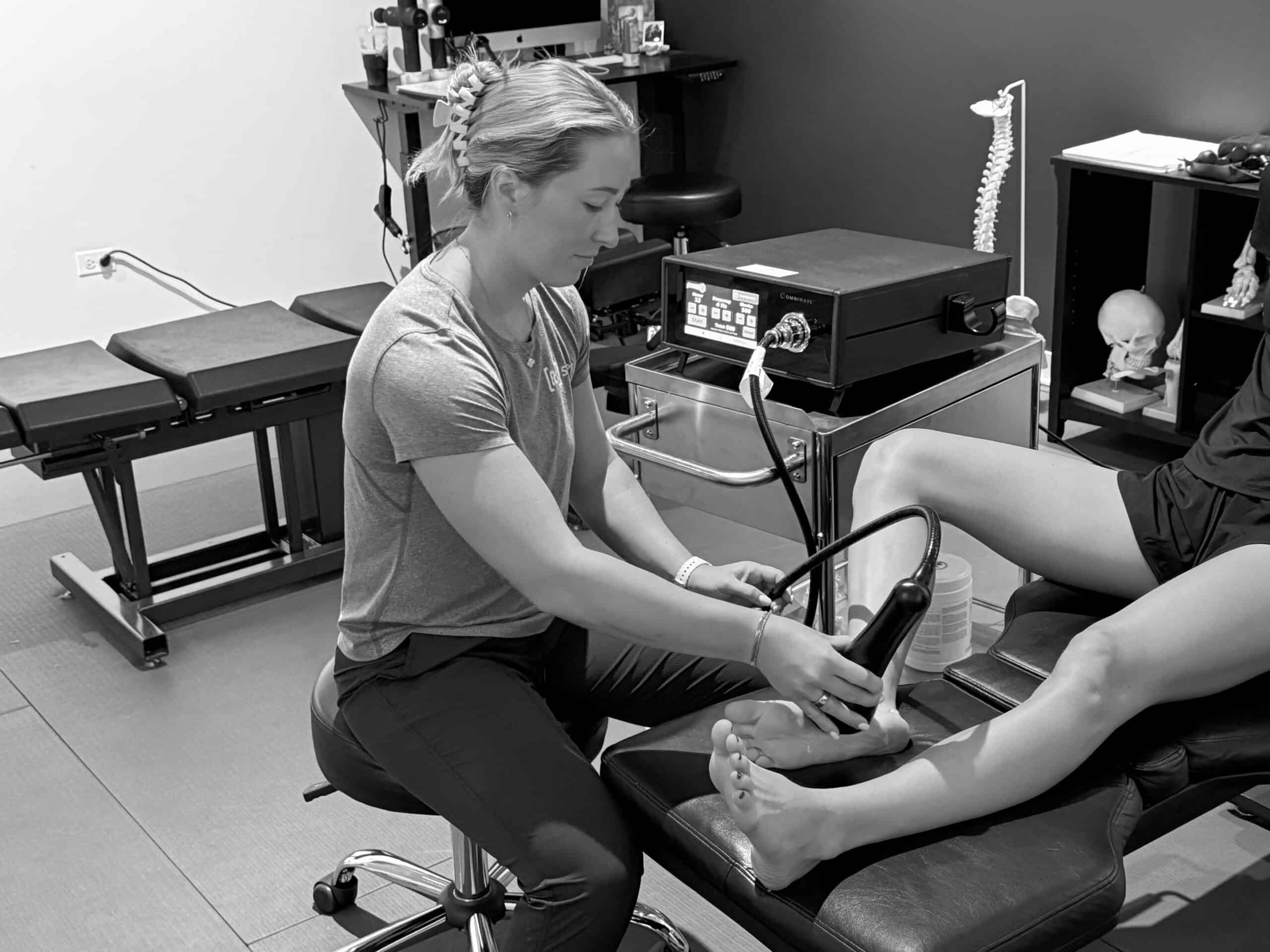
As a leading provider of shockwave therapy in Chicago, RESPORT uses radial shockwave therapy — a form of ESWT that delivers shock wave energy across a wider treatment area, making it especially effective for conditions like plantar fasciitis, Achilles tendonitis, and rotator cuff injuries. Sessions typically last 15–20 minutes and most patients notice improvement within 3–5 treatments.
Conditions We Treat with Shockwave Therapy
Shockwave therapy is effective for a wide range of chronic musculoskeletal conditions. Below are the most common conditions we treat at RESPORT Chicago:
Foot & Heel Pain
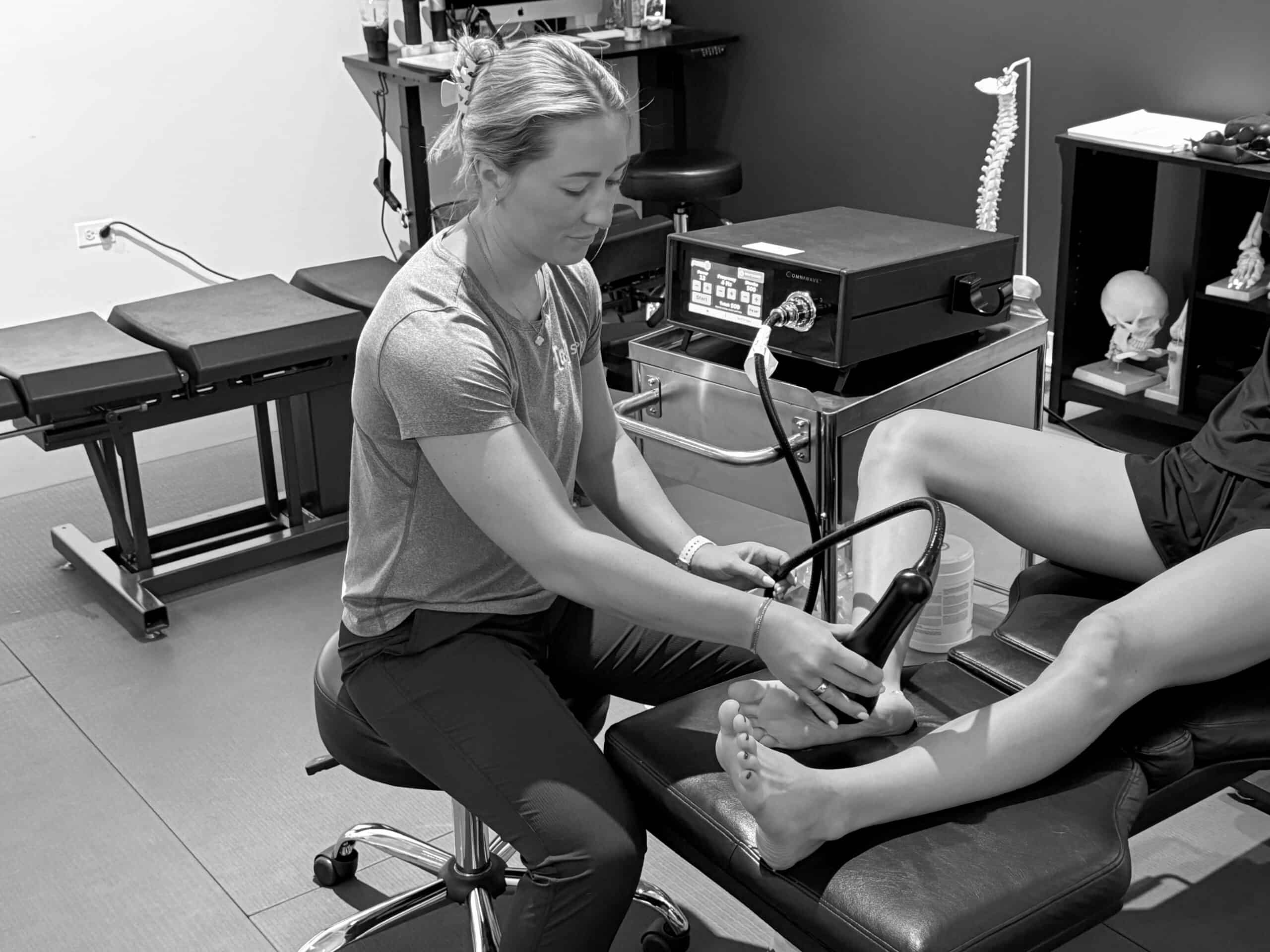
Foot pain is one of shockwave therapy’s strongest applications. Plantar fasciitis — inflammation of the tissue running along the bottom of the foot — is among the most evidence-backed uses of ESWT, consistently outperforming steroid injections for long-term relief. We also treat heel spurs and broader foot dysfunction that affects gait and daily activity. Most patients see significant improvement within 3–6 sessions.
Achilles Tendinopathy
Achilles tendinopathy and Achilles tendon bursitis are frustrating overuse injuries common in runners and active adults. When the tendon becomes thickened and painful, rest alone often isn’t enough. Shockwave therapy stimulates collagen production to promote structural repair, making it ideal for both mid-portion and insertional Achilles conditions.
Shoulder Pain
We treat a range of shoulder conditions with ESWT, including frozen shoulder (adhesive capsulitis), rotator cuff injuries, and calcific tendinitis. Shockwave therapy targets calcific deposits, promotes tissue mobility, and is frequently combined with physical therapy for optimal results. Patients who have not responded to injections or traditional treatment often see meaningful improvement.
Elbow Pain
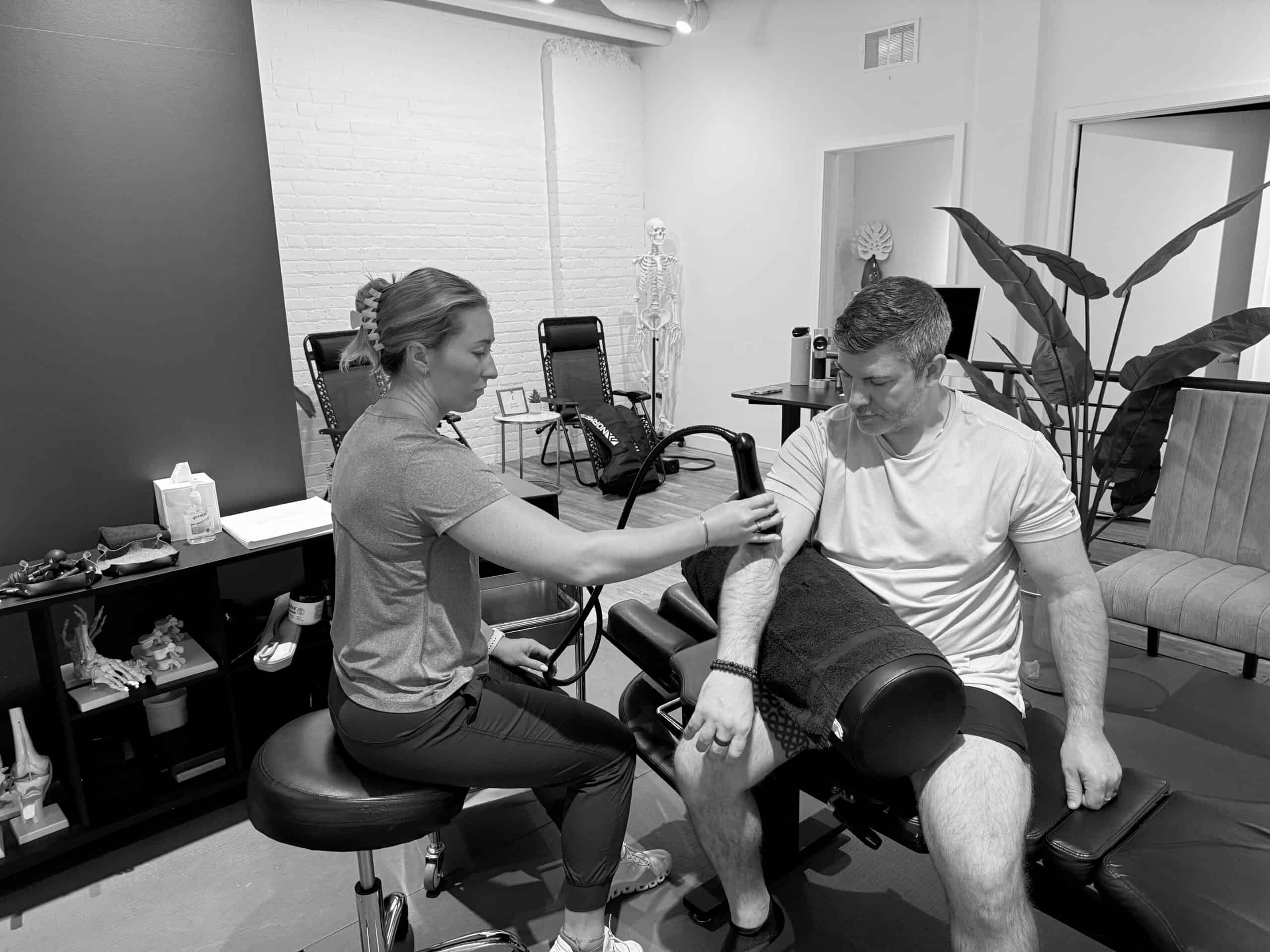
Lateral epicondylitis (tennis elbow) and medial epicondylitis (golfer’s elbow) are repetitive strain injuries affecting the forearm tendons. Shockwave therapy interrupts the pain cycle and stimulates tendon healing at the cellular level. Research shows ESWT produces better long-term outcomes than corticosteroid injections for both conditions.
Carpal Tunnel Syndrome
Carpal tunnel syndrome causes pain, numbness, and tingling in the hand and wrist due to compression of the median nerve. Shockwave therapy reduces inflammation in the surrounding soft tissue, offering a conservative treatment option for patients seeking relief before surgery is considered.
Knee Pain
We treat a range of knee conditions including patellar tendonitis (jumper’s knee), runner’s knee, ACL injuries, and knee joint degeneration including osteoarthritis. Shockwave therapy is a popular option for athletes who want to stay active during treatment, as no downtime is required after sessions.
Shin Splints
Shin splints (medial tibial stress syndrome) are a common running injury that can sideline athletes for weeks. Shockwave therapy accelerates tissue repair and reduces periosteal inflammation, allowing runners to return to training faster than with rest alone.
Low Back Pain & Sciatica
For patients with chronic low back pain related to soft tissue dysfunction, myofascial trigger points, or sciatic nerve irritation, shockwave therapy offers a non-surgical alternative. At RESPORT, ESWT is often integrated into a broader treatment plan alongside chiropractic adjustments and dry needling to address both the source and symptoms of back and sciatic pain.
Headaches & Migraines
Tension headaches and migraines with a musculoskeletal component — particularly those driven by cervical dysfunction or trigger points in the neck and upper back — can respond well to shockwave therapy. By reducing muscle tension and improving circulation in the cervical region, ESWT complements chiropractic care for patients with chronic headache patterns.
Joint Degeneration & Arthritis
Degenerative joint conditions — including osteoarthritis of the knee and hip — can benefit from shockwave therapy as part of a broader pain management plan. While ESWT does not reverse arthritis, it reduces pain signaling and improves soft tissue health around the affected joint, improving function and quality of life.
Muscle Strains
Acute and chronic muscle strains — including calf strains and other sports-related soft tissue injuries — can be treated with shockwave therapy to accelerate healing and reduce scar tissue formation. ESWT is particularly effective for strains that have become chronic or have not healed fully with rest and rehabilitation alone.
Sports Injuries
Beyond the specific conditions listed above, shockwave therapy is a valuable tool for a broad range of sports injuries, including overuse syndromes, tendinopathies, and soft tissue damage common in runners, cyclists, swimmers, and field sport athletes. At RESPORT, we integrate ESWT into sport-specific recovery programs designed to get athletes back to training as quickly and safely as possible.
Men's & Women's Health
Shockwave therapy has expanding clinical applications in men’s and women’s health. For men, ESWT has been shown to improve outcomes in erectile dysfunction by promoting blood flow and vascular repair. For women, shockwave therapy addresses pelvic floor dysfunction and imbalance — conditions that affect core stability, continence, and quality of life. These treatments are delivered with full clinical care and privacy at RESPORT.
What to Expect During Shockwave Therapy at RESPORT
Here's a step-by-step overview of what you can expect when you come in for shockwave treatment in Chicago at RESPORT:
1. EVALUATION
Your provider reviews your symptoms, medical history, and any imaging. We confirm shockwave is appropriate for your condition and identify the exact treatment zone.
2. PREPARATION
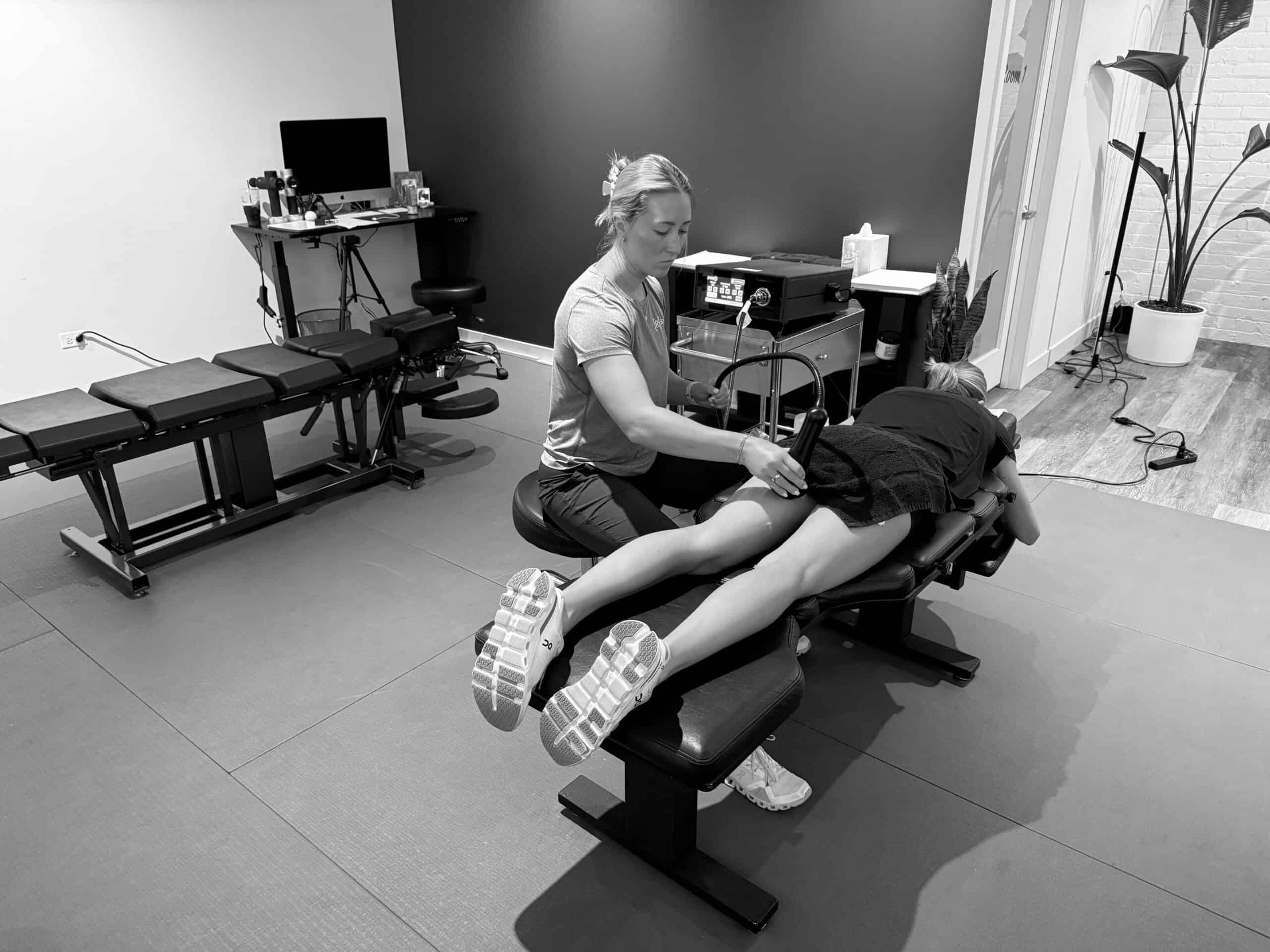
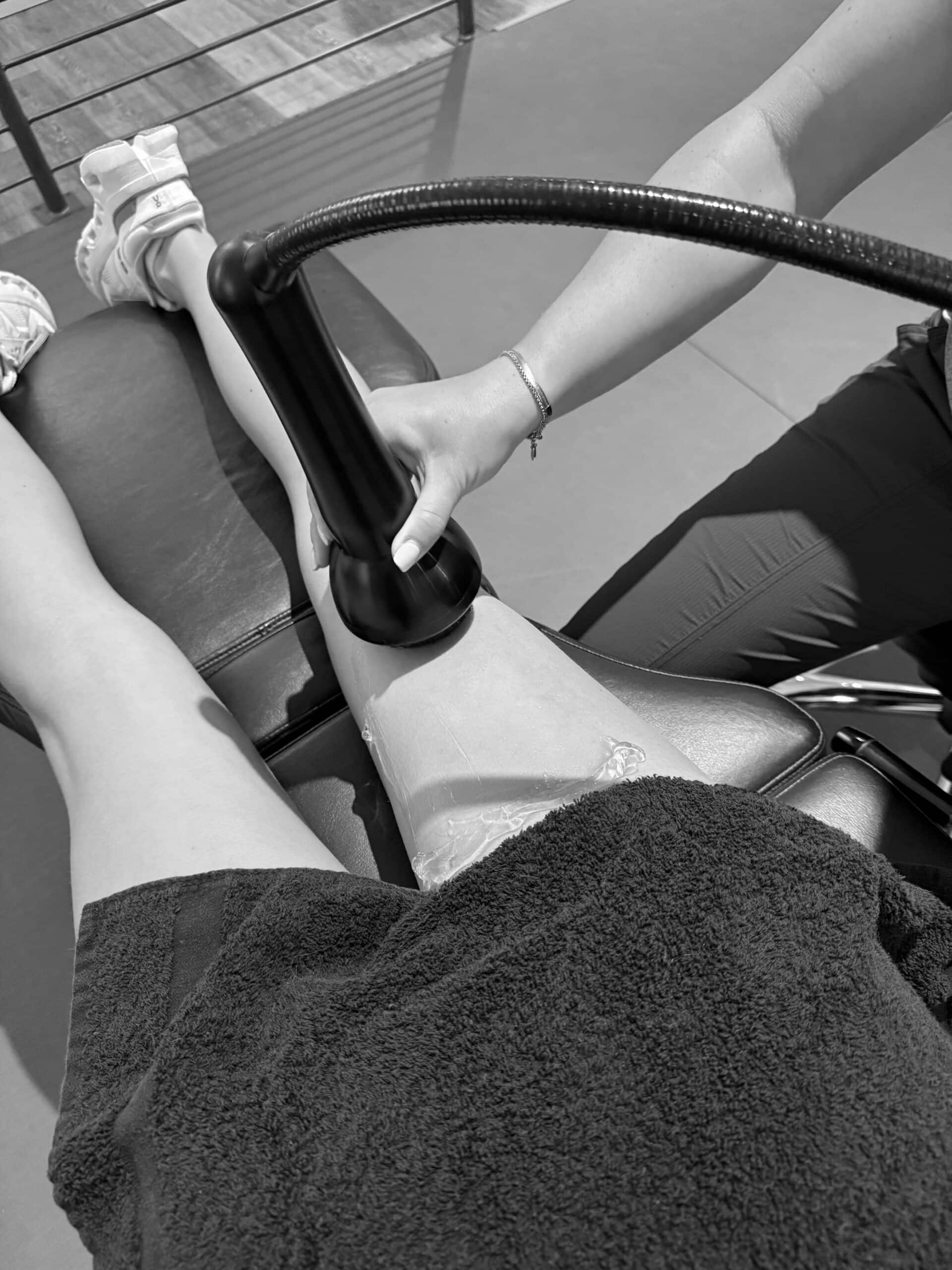
We apply a conductive gel to the treatment area — similar to an ultrasound. No anesthesia is required. You may feel some discomfort during the session, particularly in the first 1–2 treatments, as the pressure waves reach the injured tissue.
3. TREATMENT
The handheld applicator delivers radial shock wave pulses to the target area over 10–15 minutes. Settings are adjusted based on your comfort and the condition being treated.
4. AFTERCARE
You can return to light activity immediately after your session. We recommend avoiding intense exercise for 24–48 hours post-treatment to allow the initial healing response to begin.
5. FOLLOW-UP
Most protocols involve 3–6 sessions spaced one week apart. Your provider will assess your progress after each session and adjust the plan as needed.
Shockwave therapy side effects are typically mild and temporary — you may experience some soreness, redness, or minor swelling in the treated area for 24–48 hours. Serious adverse effects are rare. We’ll walk you through everything before your first session so you know exactly what to expect.
Is Shockwave Therapy Right for You?
Shockwave therapy works best for patients with chronic soft tissue injuries — typically pain that has persisted for 3 months or longer and hasn’t fully resolved with rest, physical therapy, or other conservative treatments. It is not typically recommended for acute injuries (less than 6 weeks old), patients on blood thinners, or those with certain nerve conditions.
Ideal candidates include:
- Runners and athletes with overuse injuries (Achilles tendonitis, shin splints, patellar tendonitis)
- Patients with chronic heel pain or plantar fasciitis who have tried orthotics or injections without lasting relief
- Anyone with calcific tendinitis in the shoulder or rotator cuff
- Patients looking to avoid surgery or who have not responded to corticosteroid injections
- Active adults who want to maintain training while treating a nagging injury
If you’re unsure whether ESWT is appropriate for your condition, our team at RESPORT can evaluate you and recommend the right treatment approach. We combine shockwave therapy with chiropractic care, physical therapy, and dry needling as part of a personalized recovery plan.
Shockwave Therapy FAQ
How many shockwave therapy sessions do I need?
Most patients require 3–6 sessions, spaced approximately one week apart. The exact number depends on your condition and how your body responds. Plantar fasciitis and calcific shoulder tendinitis often resolve in 3–4 sessions; more chronic or complex conditions may require the full 6-session protocol.
Does shockwave therapy hurt?
You’ll likely feel some discomfort during treatment — many patients describe it as a deep tapping or mild stinging sensation. Discomfort is generally more noticeable in the first session and decreases as the tissue begins to heal. Your provider will adjust the intensity to keep you comfortable throughout.
Is shockwave therapy covered by insurance?
Shockwave therapy is typically offered as a per-session or package rate. Contact our team directly for current pricing — we are happy to walk you through the details.
How is shockwave therapy different from surgery or injections?
Shockwave therapy is non-invasive — there are no incisions, no needles, and no anesthesia required. Unlike corticosteroid injections, which reduce inflammation temporarily, ESWT stimulates the body’s natural repair mechanisms for longer-lasting results. Unlike surgery, there is no recovery downtime and no surgical risk.
How soon will I see results?
Some patients notice improvement after the first or second session. For most conditions, significant pain reduction is evident after 3–4 sessions, with continued improvement for 6–12 weeks after completing the protocol as the tissue continues to heal.
Can shockwave therapy be combined with other treatments?
Yes — and at RESPORT, it often is. We regularly combine shockwave therapy with chiropractic adjustments, dry needling, and physical therapy for a comprehensive recovery plan. Your provider will recommend the right combination based on your specific condition and goals.
Ready to Get Relief? Book Your Shockwave Therapy Assessment in Chicago
Patients across Chicago’s North Side trust RESPORT for advanced, evidence-based shockwave therapy in Chicago. If you’re dealing with chronic pain that hasn’t responded to other treatments, it may be the solution you’ve been looking for.
Our Old Town clinic serves patients from Lincoln Park, Wicker Park, River North, Lakeview, and beyond. Book your assessment today — our team will evaluate your condition and determine whether ESWT is the right fit for your recovery.
Don't Just Take Our Word for It!
See what our patients are saying about their experience at RESPORT Chiropractic & Physical Therapy
RESPORT is an excellent practice
“RESPORT is an excellent practice. I have seen Dr. Sean for several sports related injuries over the years and he has always gotten me back on the field faster than I anticipated. His insights and recommendations have helped improve my overall mobility and function.”
Ryan O. // Chicago