


Myofascial Release Therapy
in Old Town, Chicago
Chronic pain, stiffness, and limited mobility can take a real toll on your daily life. At RESPORT, our expert team uses myofascial release therapy to ease tight muscles and connective tissue, so you can move more freely and comfortably. Whether you’re dealing with a nagging injury or the aches that come with long hours at a desk, our myofascial massage therapy in Old Town, Chicago, works alongside your physical therapy care to support lasting relief.

what is Myofascial
RELEASE THERAPY?
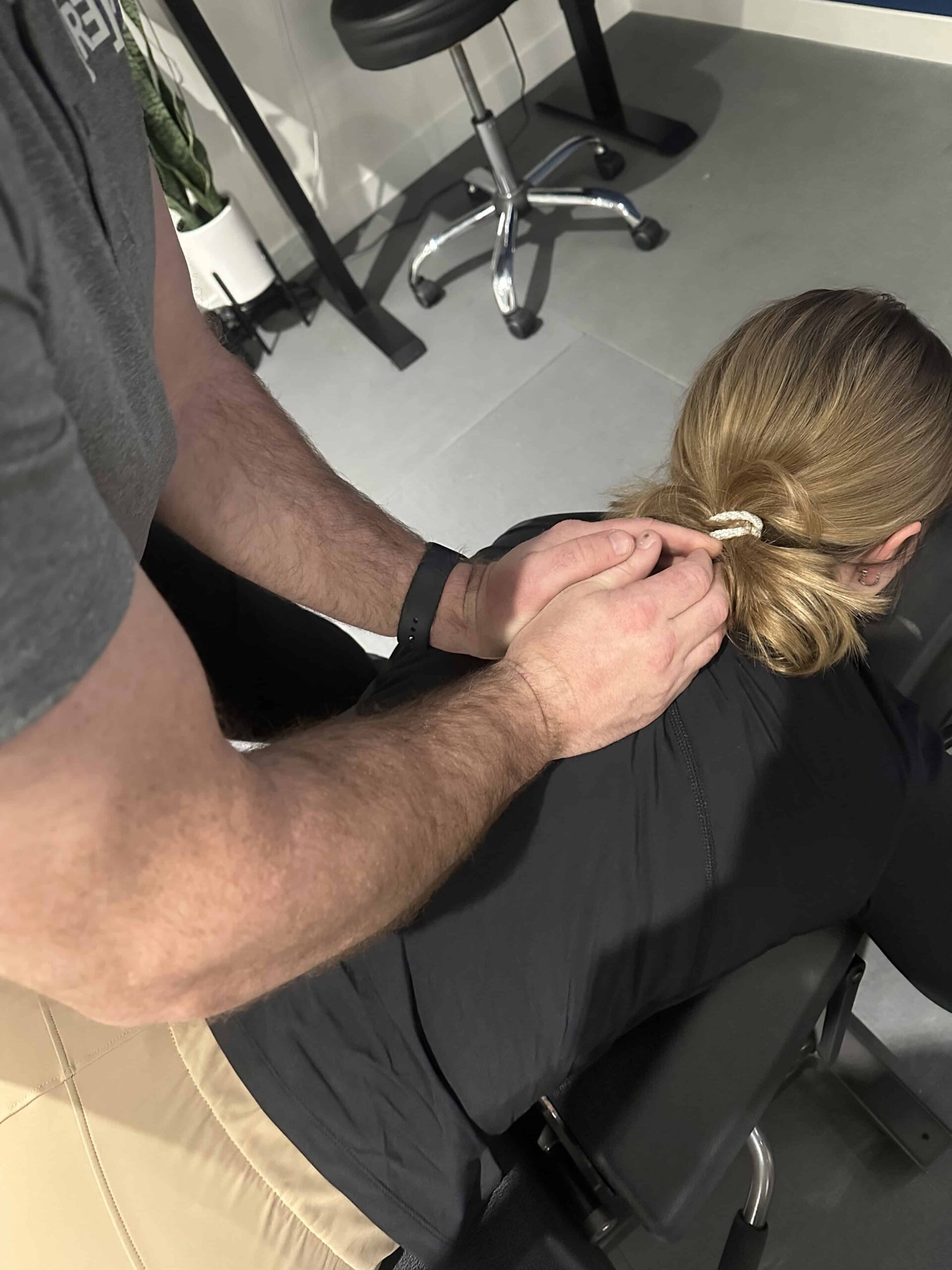
“Myofascial” refers to your muscles (myo) and the fascia, the thin connective tissue that wraps around and supports them. Healthy fascia is flexible and glides smoothly, but stress, repetitive movement, poor posture, injury, or surgery can leave it tight and restricted. That tightness may lead to pain, stiffness, and a limited range of motion.
Myofascial release is a hands-on technique that applies slow, sustained pressure to restricted areas. Using a combination of manual pressure and gentle stretches, your massage therapist works to ease tension in the muscle and fascia so your body can move the way it’s meant to. Many people know it simply as release massage therapy: the goal isn’t to knead the muscle, but to give tight tissue the time it needs to let go.
HOW IT DIFFERS FROM A TRADITIONAL MASSAGE
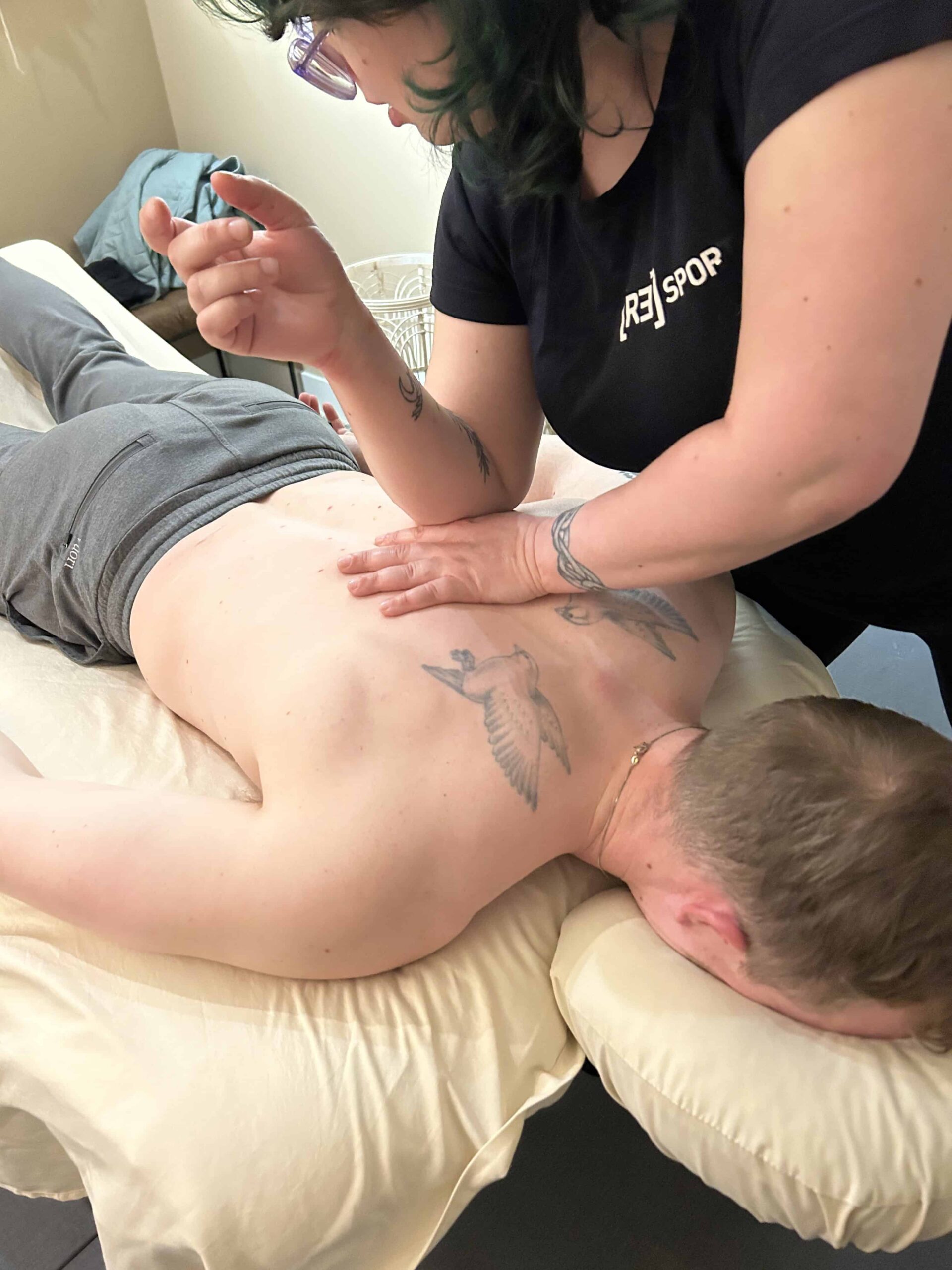
A traditional relaxation massage uses flowing strokes across large areas of the body. Myofascial massage therapy is more targeted. Your therapist holds steady pressure on a restricted area, often for a minute or longer, and waits for the tissue to soften before moving on. The pace is slower, and the session follows where your body is actually holding tension rather than a set routine.
Release massage therapy also differs from standard deep tissue work. Deep tissue massage uses firm pressure to reach deeper muscle layers, while myofascial release focuses on the fascia and how it connects one part of the body to another. That connection is why tightness in your hips can show up as low back pain, or why a stiff upper back can contribute to tension at the base of your skull.
BENEFITS OF MYOFASCIAL RELEASE THERAPY
Patients often turn to myofascial release therapy for benefits like:
- Pain relief: Ease chronic pain, sports injury soreness, or the everyday aches of modern life.
- Improved flexibility: Releasing tension helps your muscles stretch and lengthen more easily.
- Better mobility: Easing muscle and fascial restrictions lets your joints move through their full range of motion.
- Increased circulation: Freeing your fascia of tension can improve blood flow to your muscles.
- Less muscle tension: Less tension can mean better movement, better sleep, and improved mental well-being.
- Faster recovery: Regular soft tissue work can help athletes and active adults bounce back between workouts.
Myofascial release is generally well tolerated and can be adjusted to your comfort level, making it a good option for a wide range of people and symptoms.
Conditions Myofascial Release Can Help
Because fascia runs throughout the body, myofascial release massage therapy can support many different concerns, including:
- Low back pain and hip tightness
- Neck pain and shoulder tension from desk work
- Tension-related headaches
- Sprains, strains, and muscle tightness
- Sports overuse injuries and running-related tightness
- Stiffness after surgery or injury, once cleared by your provider
Not sure if it’s right for you? A consultation with our team can point you in the best direction.
What to Expect From Your Session
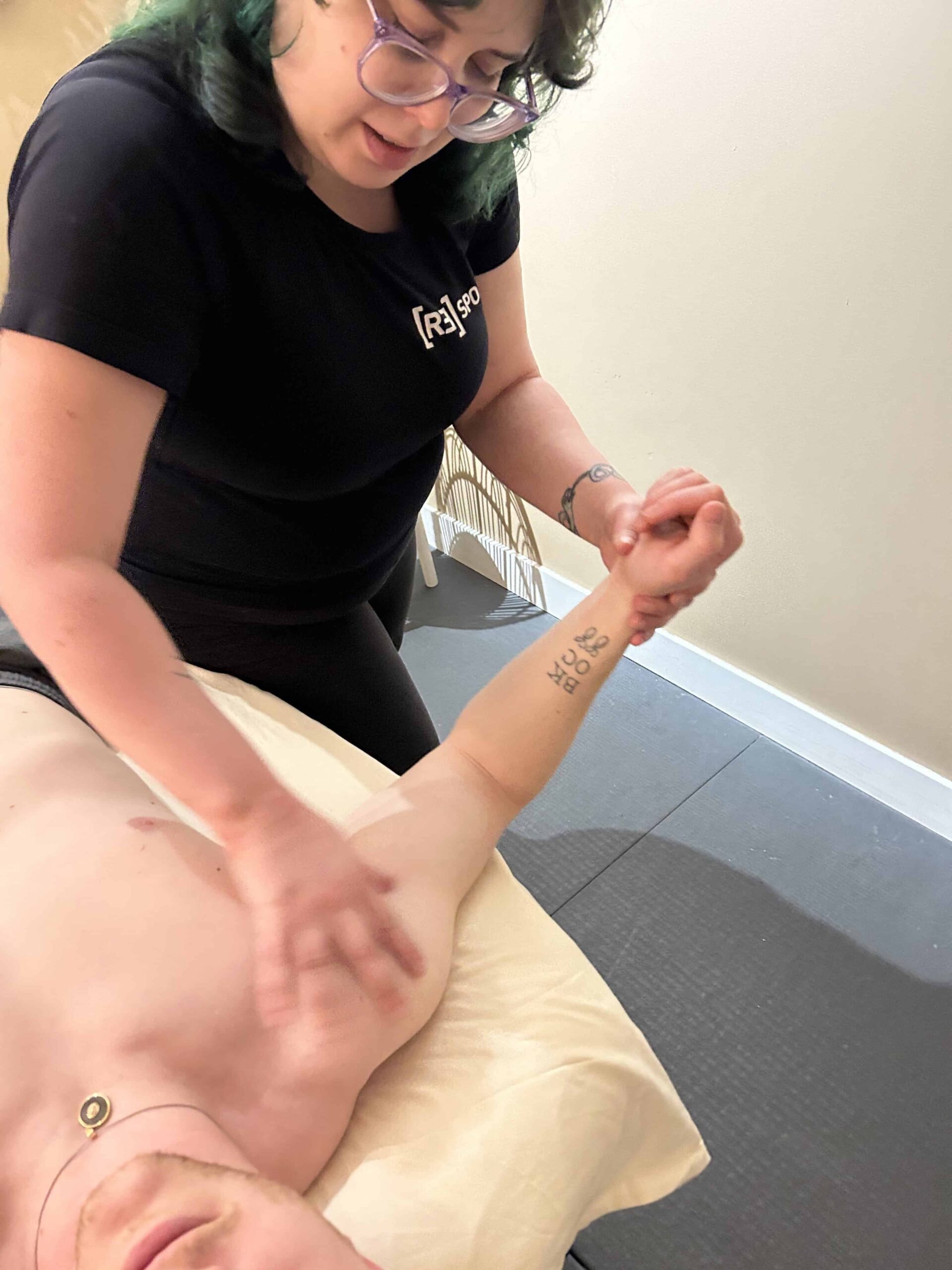
Your therapist will start by talking through your symptoms, goals, and any areas of concern. From there, they use light pressure to find the strongest points of tension, often in the hips, shoulders, lower back, upper back, and the base of the skull. Slow, focused movements allow the tissue to release, while deeper work can address stubborn knots. Sessions last between 30 and 60 minutes, depending on the option you choose.
Afterward, you may notice some mild soreness, similar to what can follow a workout or any massage. Many people also feel less pain and move more easily. Your therapist will recommend how often to come in based on your needs, since long-standing tightness typically responds best to a series of visits.
Myofascial Release as Part of Your Care at RESPORT
One advantage of receiving myofascial release at RESPORT is that it fits into a bigger picture. Our team offers chiropractic care, physical therapy, dry needling, shockwave therapy, and personal training, so soft tissue work can be paired with treatments that address the source of your pain and strengthening that helps keep it from coming back.

frequently asked
questions
How Does Myofascial Release Work?
Myofascial release therapy applies gentle, sustained pressure to tight areas, giving the muscle and fascia time to relax and lengthen. As tension eases, circulation and mobility often improve.
Does Myofascial Release Hurt?
You may feel some discomfort as tension releases, but myofascial release is generally gentler than deep tissue work. Let your therapist know if pressure feels like too much and they’ll adjust.
Is myofascial massage therapy the same as deep tissue massage?
No. Deep tissue massage targets deeper muscle layers with firm pressure, while myofascial massage therapy uses slow, sustained holds to release restrictions in the fascia. Some sessions blend both approaches.
How do I know if I need myofascial release therapy?
Chronic pain, ongoing muscle tension, or limited movement may all be signs that myofascial release could help. A consultation with our team can point you toward the right treatment.
How many sessions will I need?
It depends on your symptoms and goals. Your therapist will recommend a schedule after your first visit and adjust it as you progress.
What should I do after myofascial release?
Listen to your body. Drink plenty of water and use gentle movement to ease any lingering soreness.
Ready to move with less pain? Book your myofascial release therapy session at RESPORT in Old Town, Chicago.